Summit Register est. 2024

Systems

Ranges

Eleven systems, each with its own geology, weather pattern and climbing season. Every profile links through to the register filtered to that range.

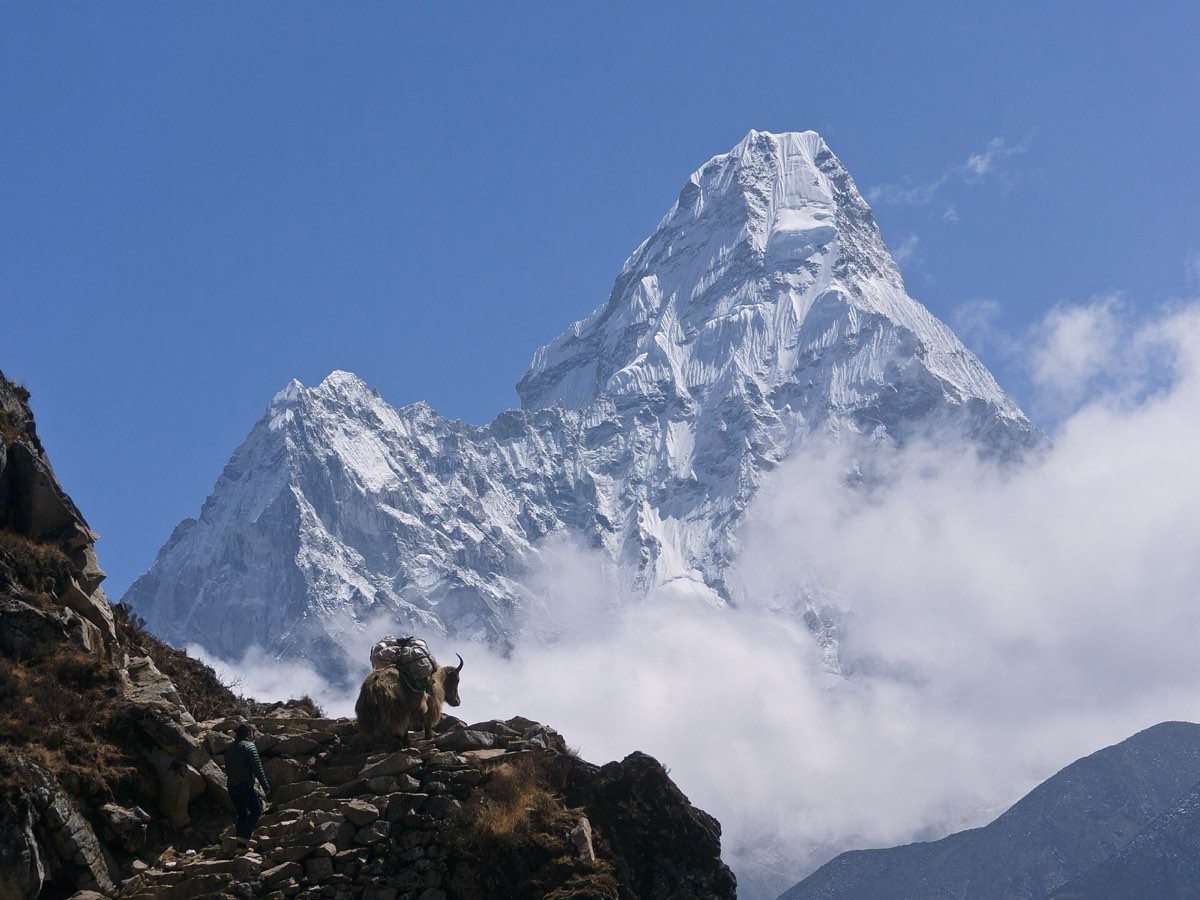
Ama Dablam rising above the Khumbu valley

Himalaya

2,400 km · Nepal, India, Bhutan, China, Pakistan

Ten of the fourteen peaks above 8,000 m sit in the Himalaya. The range is the product of the Indian plate driving into Eurasia from roughly 50 million years ago, and it is still rising at about 5 mm a year, faster than erosion removes it. The summit rocks of Everest are Ordovician marine limestone, laid down on a sea floor and now the highest ground on Earth. Climbing is organised around two monsoon-bracketed windows, late April to May and late September to October.
12 entries in the register →

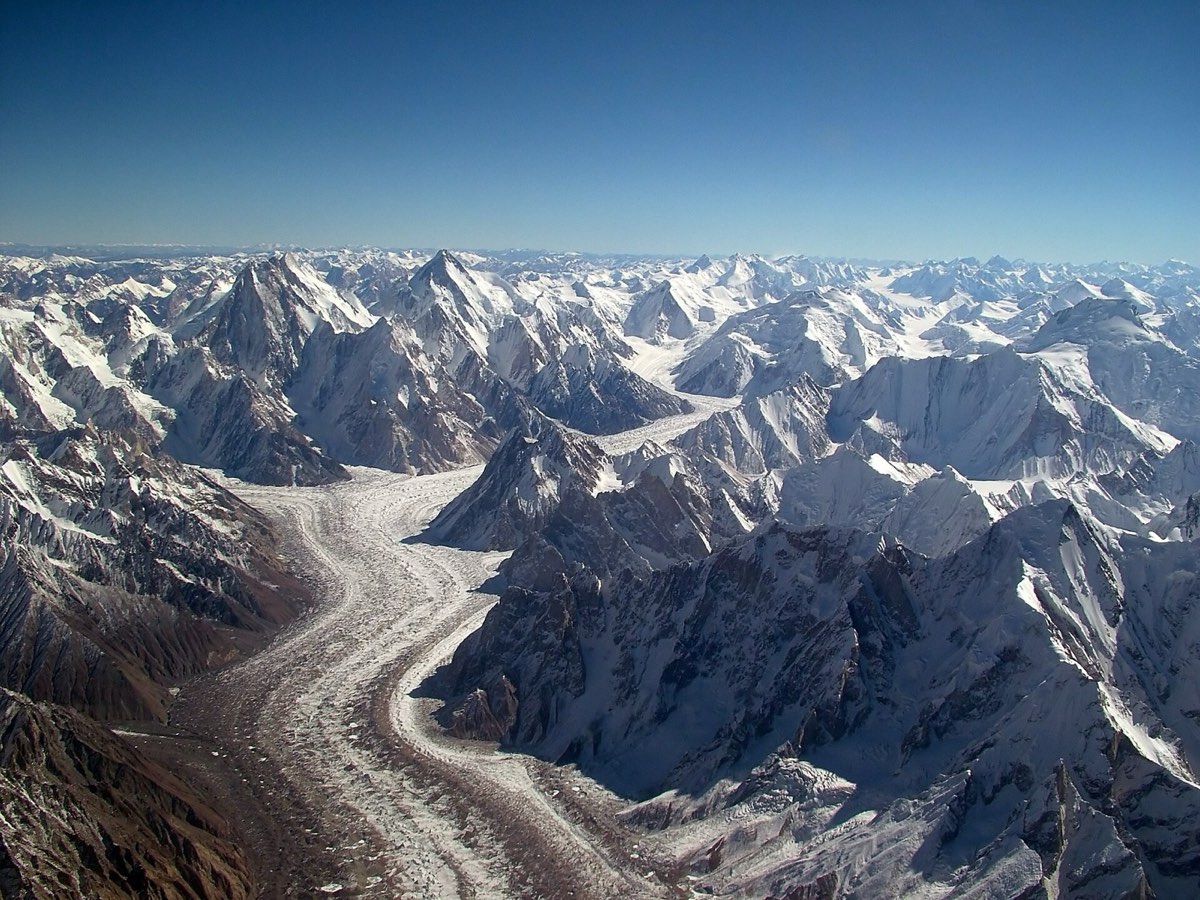
The Baltoro Glacier seen from the air

Karakoram

500 km · Pakistan, India, China

Shorter than the Himalaya and considerably steeper. Four 8000ers stand within about 20 km of one another at the head of the Baltoro Glacier, and the range holds the greatest concentration of glacial ice outside the polar regions. The Siachen and Biafo glaciers each run more than 60 km. Approaches are long on foot and the weather window is tight, roughly late June to mid-August.

5 entries in the register →

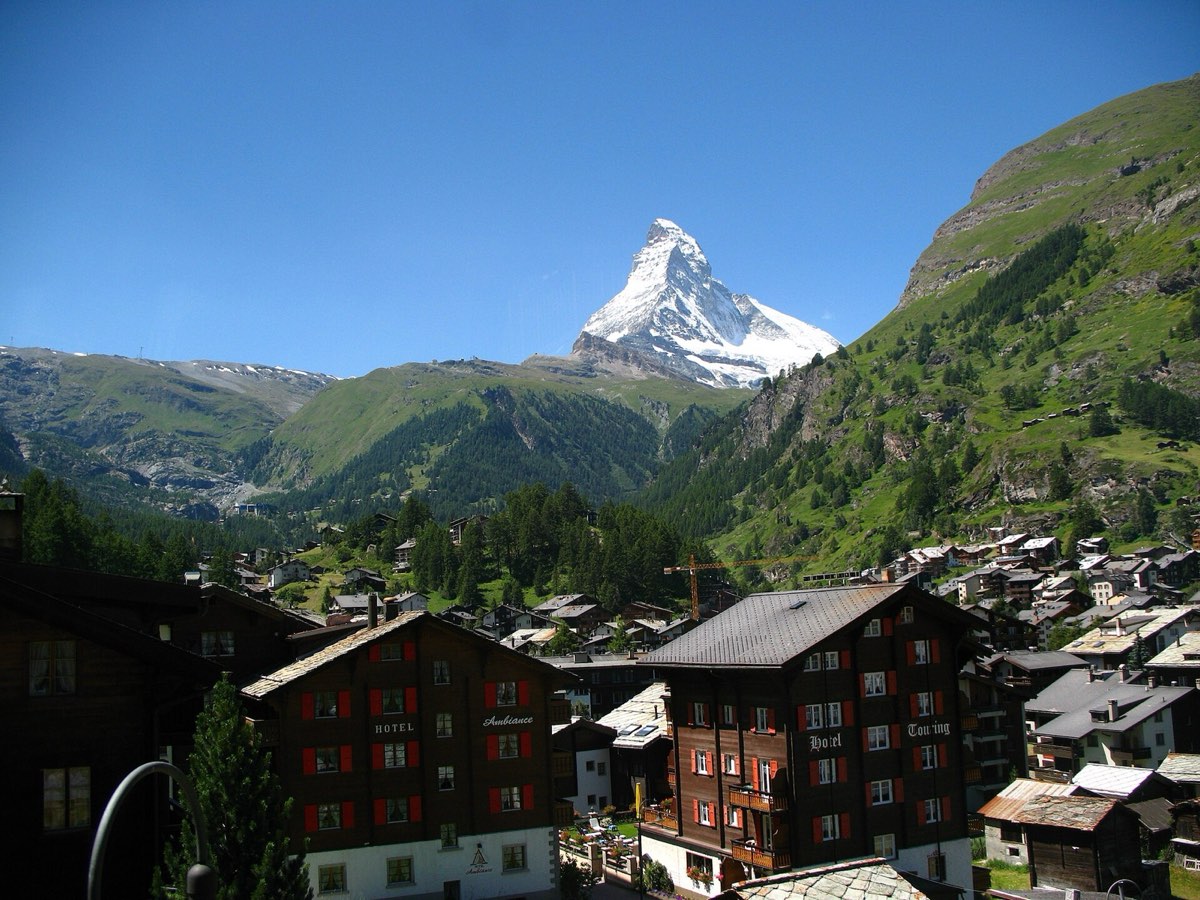
The Matterhorn seen from the Gornergrat railway

Alps

1,200 km · France, Italy, Switzerland, Austria, Slovenia, Germany, Liechtenstein, Monaco

Eighty-two summits exceed 4,000 m, all of them within a few hours of a road. The density of huts and lifts makes the Alps the most accessible serious mountain terrain anywhere, which is why alpinism as a discipline was invented here between 1786 and 1865. Retreating permafrost is now destabilising classic routes: the Hornli Ridge and the Goûter couloir both close periodically because of rockfall.

6 entries in the register →

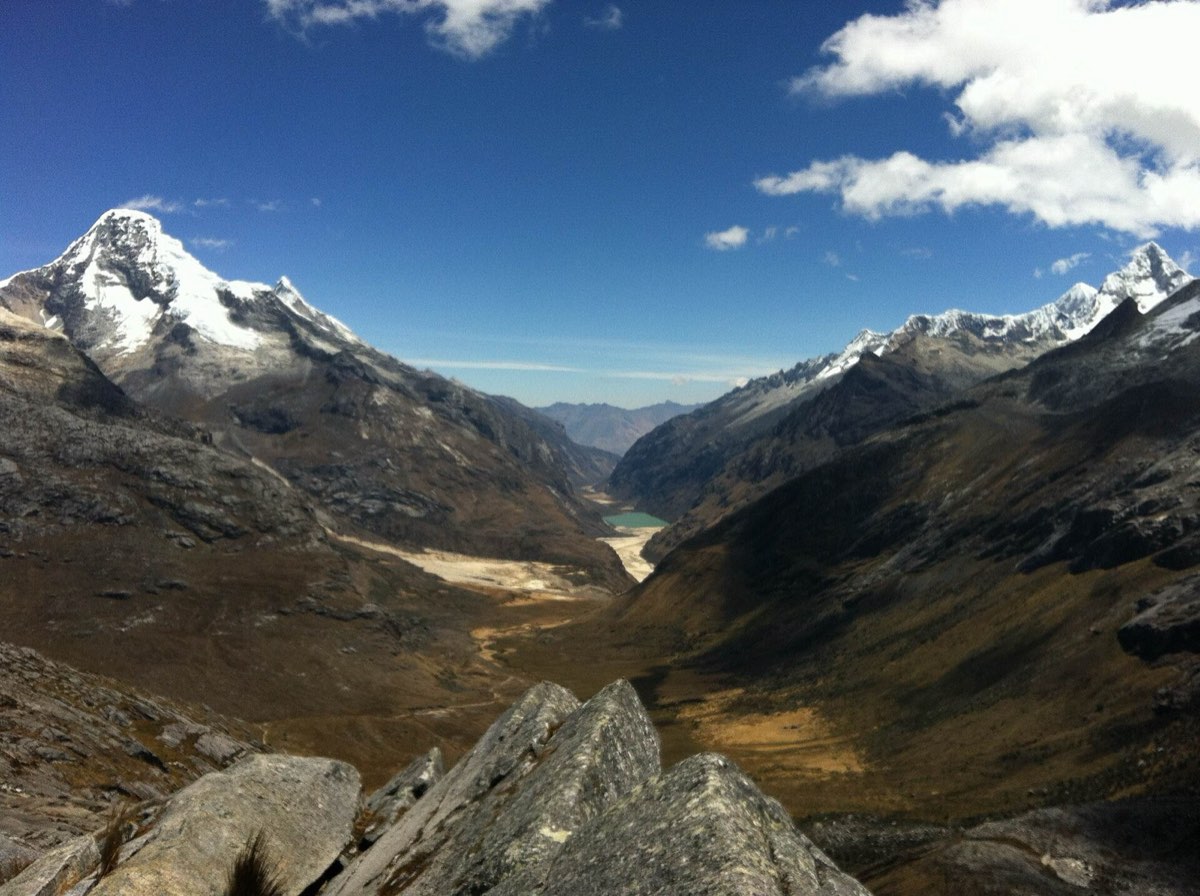
Glaciated peaks of the Cordillera Blanca, Peru

Andes

7,000 km · Venezuela to Tierra del Fuego

The longest continental mountain range on Earth, and outside Asia the only one with summits above 6,500 m. The Cordillera Blanca in Peru packs more than fifty peaks over 5,700 m into 180 km and holds the densest concentration of tropical glaciers anywhere. Further south the range turns volcanic, and Ojos del Salado at 6,893 m is the highest volcano in the world.

4 entries in the register →

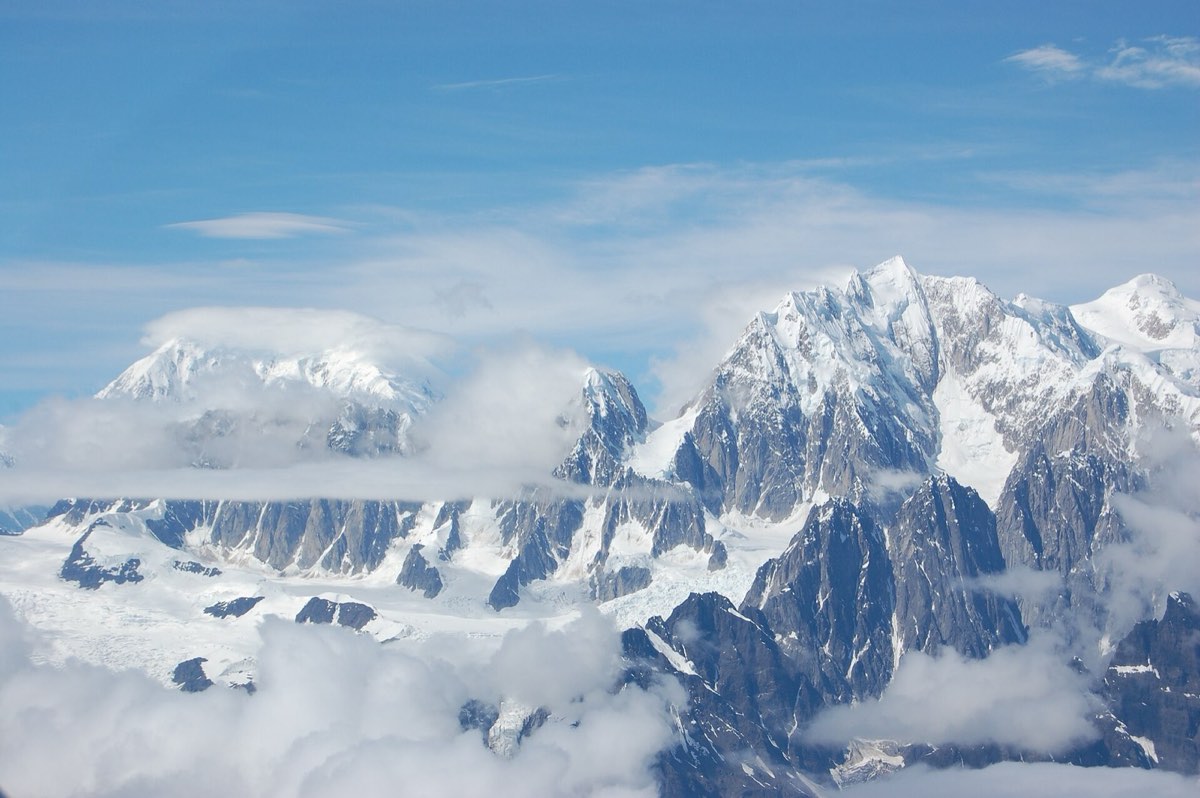
The Alaska Range under cloud

Alaska and Saint Elias

Alaska and Yukon · United States, Canada

Latitude does the work that altitude does elsewhere. Denali stands at 6,190 m but sits only 320 km from the Arctic Circle, where the tropopause is lower and barometric pressure at a given height is correspondingly less, so the physiological altitude is closer to 7,000 m. Mount Saint Elias rises 5,489 m from tidewater in about 16 km, one of the steepest sustained reliefs on the planet.

3 entries in the register →

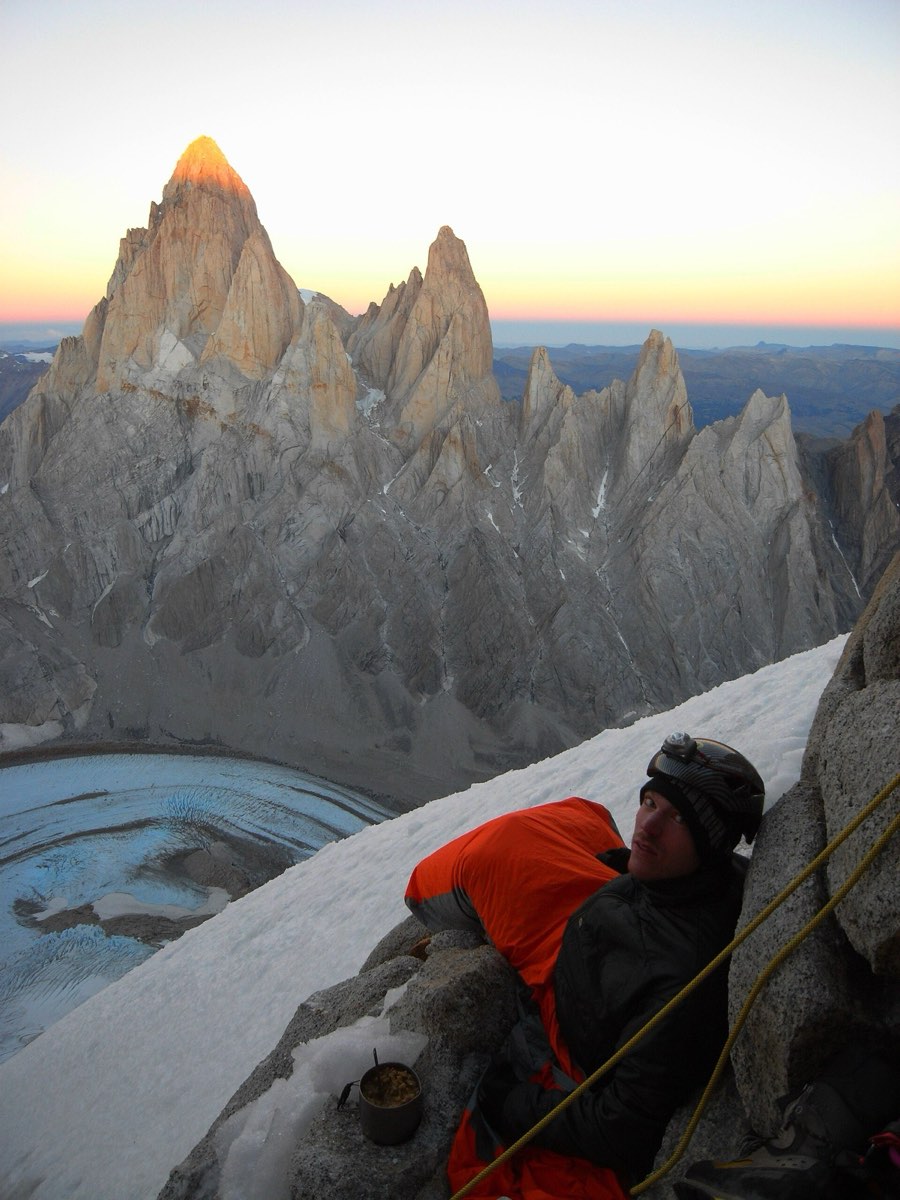
A bivouac on Cerro Torre with Fitz Roy behind

Patagonia

Southern Patagonian Icefield · Argentina, Chile

Modest heights, extreme conditions. Nothing here reaches 3,500 m, but the Southern Ocean delivers unbroken westerlies onto granite spires that collect rime ice in mushroom-shaped formations metres thick. Settled weather arrives in windows of two to four days and parties routinely wait three weeks in El Chaltén for one. The rock itself, where it is clean, is superb.

3 entries in the register →

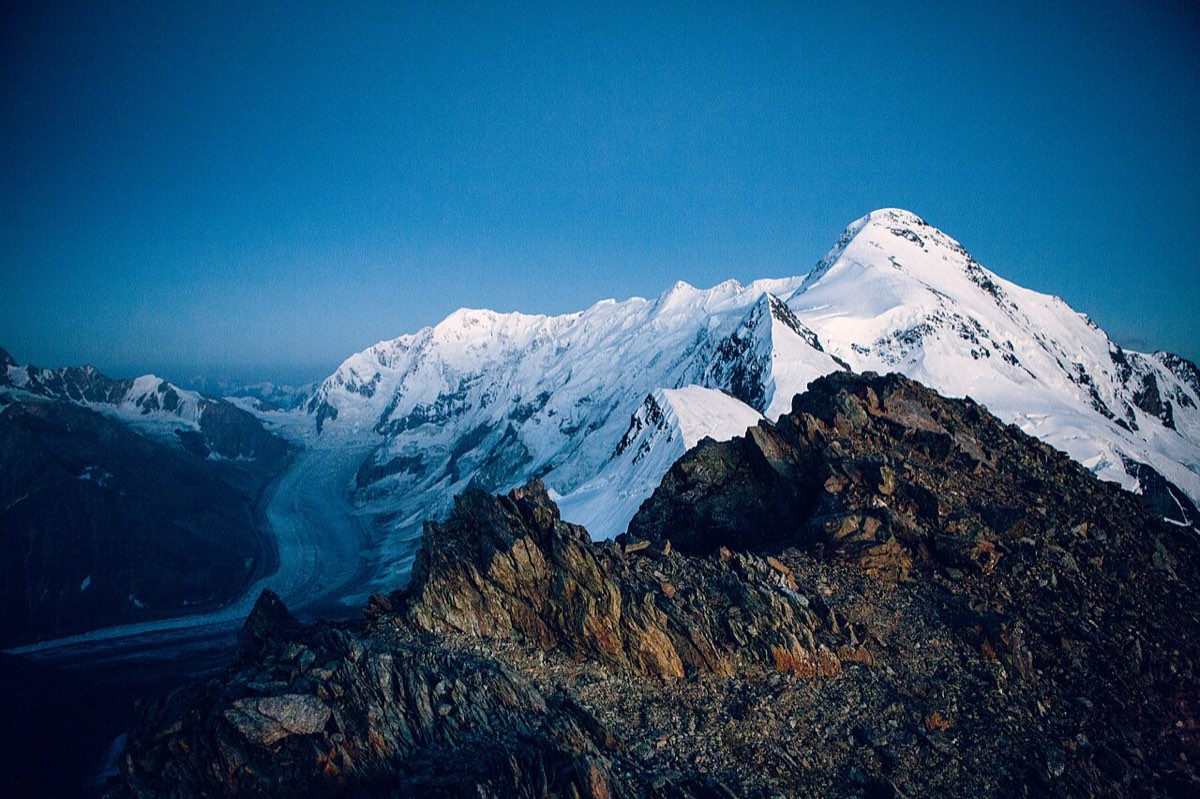
The Bezengi Wall in the central Caucasus

Caucasus

1,100 km · Russia, Georgia, Azerbaijan

The conventional dividing line between Europe and Asia runs along the Caucasus watershed, which is what makes Elbrus at 5,642 m the high point of Europe rather than Mont Blanc. More than a dozen summits exceed Mont Blanc's 4,808 m. Access has been constrained by regional politics for most of the past thirty years.

1 entries in the register →

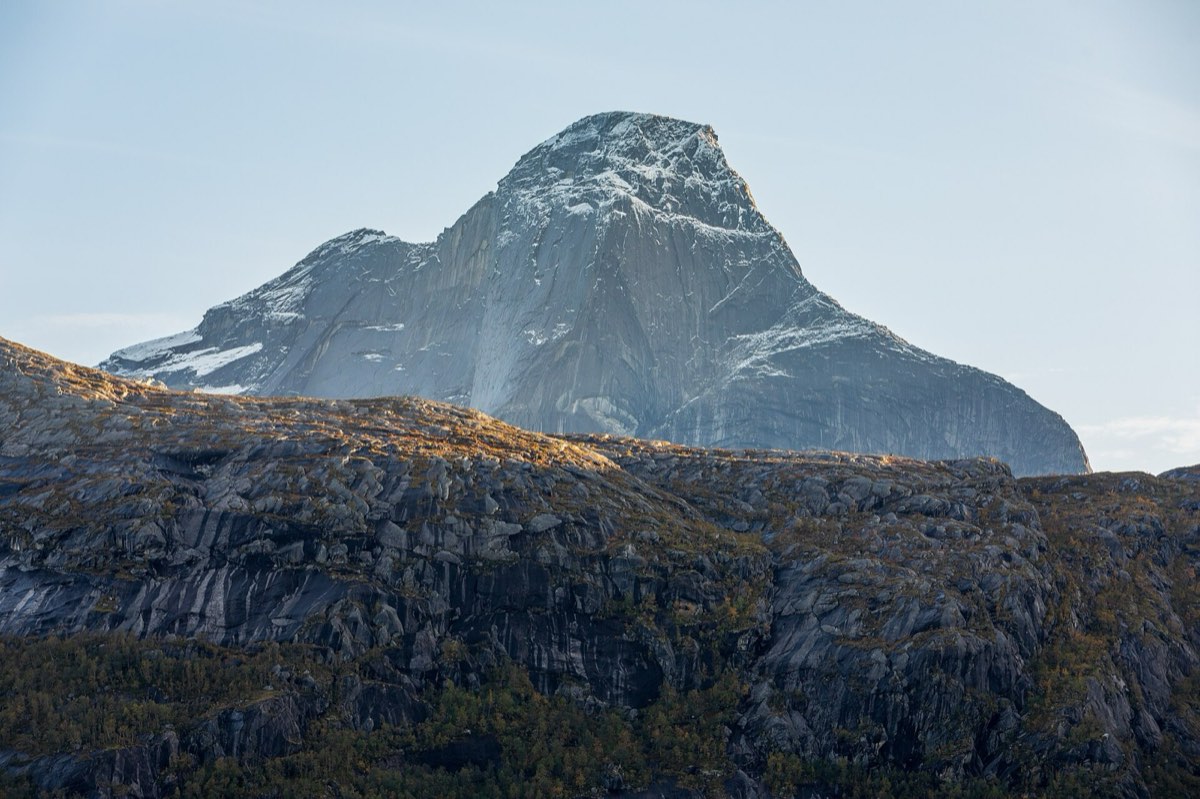
The north face of Stetind, Nordland

Scandinavian mountains

1,700 km · Norway, Sweden

Old, hard, heavily glaciated rock. Nothing reaches 2,500 m, but the combination of Caledonian granite and gneiss, deep fjords and Arctic latitude produces walls with more relief than their summit elevations suggest. Trollveggen in Romsdalen is the tallest vertical rock face in Europe. In Lofoten and on Senja the climbing starts essentially at sea level.

6 entries in the register →

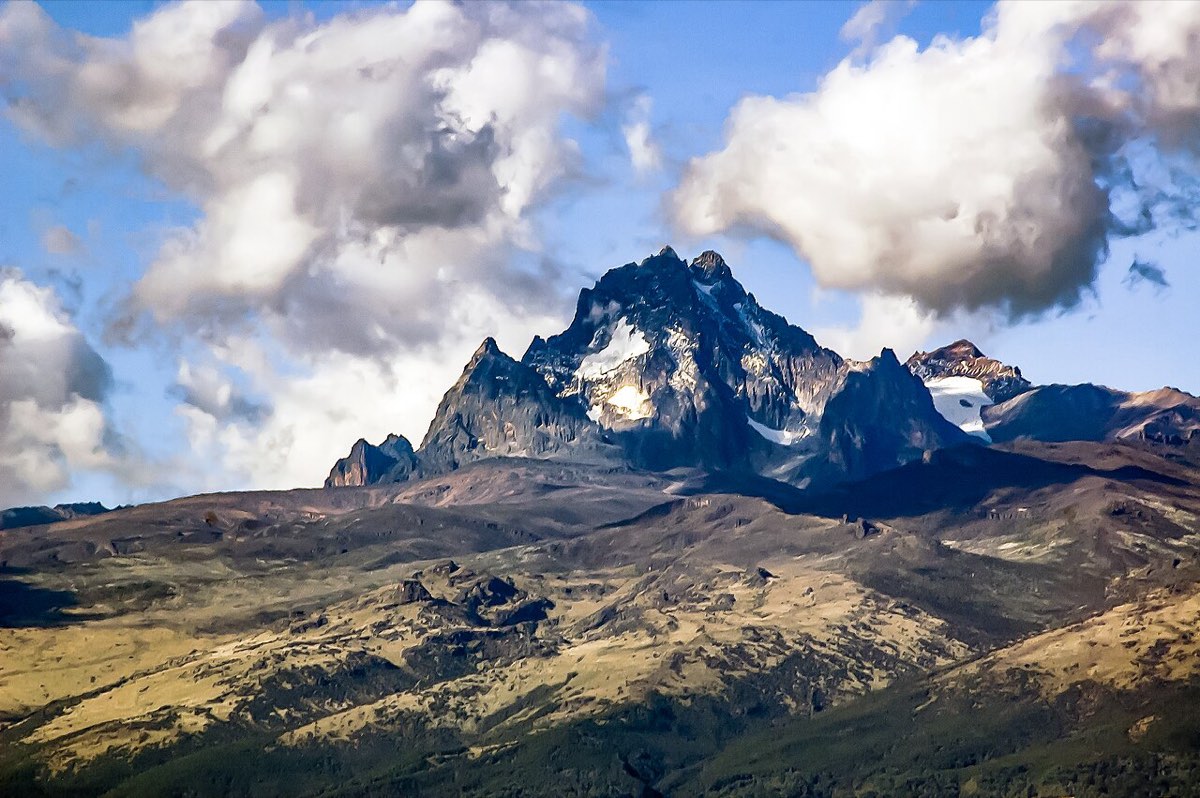
The Batian and Nelion peaks of Mount Kenya

East African volcanoes

Kenya, Tanzania, Uganda

Isolated volcanic massifs standing alone on the plateau rather than a range in the usual sense. Kilimanjaro is the fourth most prominent peak on Earth and rises about 4,900 m from the surrounding plain. Mount Kenya is the eroded plug of a volcano that once stood far higher, and unlike Kilimanjaro its true summit needs rock climbing: trekkers reach Point Lenana at 4,985 m, while Batian at 5,199 m is a graded route. Both ranges have lost most of their glacier cover within living memory.

2 entries in the register →

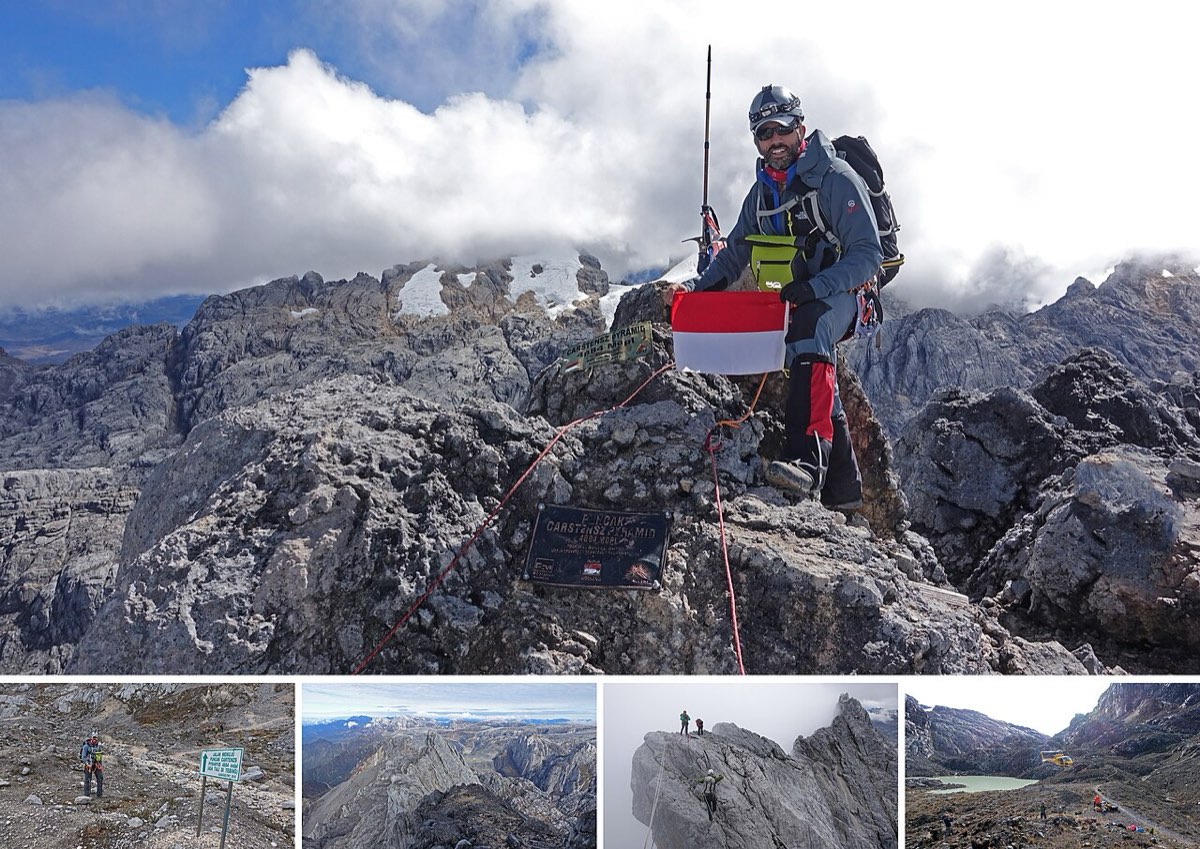
Carstensz Pyramid in the Sudirman Range

New Guinea highlands

Sudirman Range · Indonesia, Papua New Guinea

Equatorial limestone at nearly 5,000 m. Puncak Jaya is the highest summit between the Himalaya and the Andes, and the only entry on the Seven Summits list whose normal route is a rock climb. The massif carried small glaciers into the twenty-first century; almost nothing remains. Access is complicated by the adjacent Grasberg mine and by permit closures that can last for years at a time.

1 entries in the register →

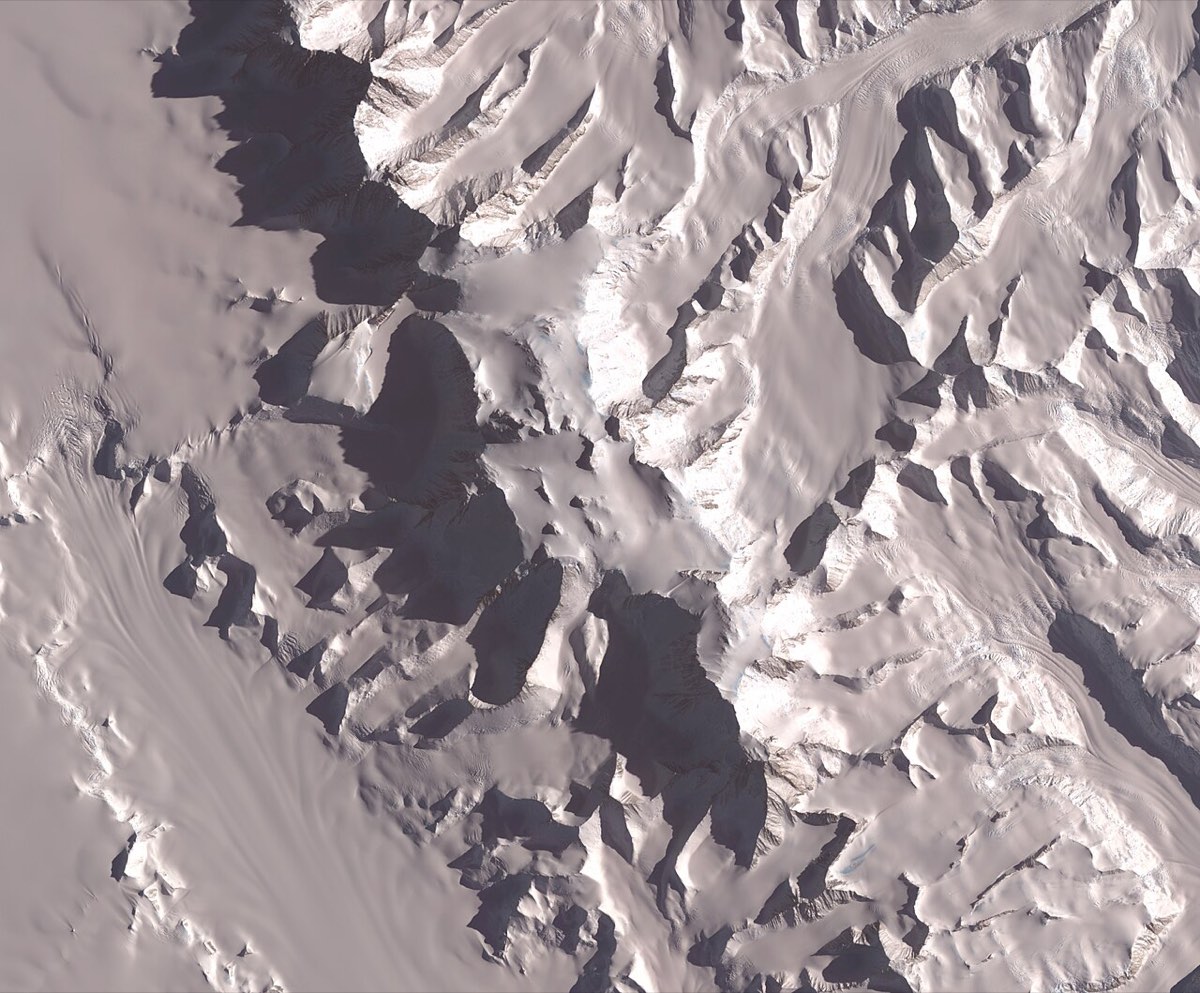
The Vinson Massif in the Sentinel Range

Ellsworth Mountains

Sentinel Range · Antarctica

The highest ground on the continent, and not identified as such until satellite reconnaissance in 1958. Vinson at 4,892 m is technically modest, roughly PD on the Branscomb Glacier, but the logistics dominate everything: access runs through a blue-ice runway at Union Glacier and the season is confined to November through January, when there is daylight and the runway is usable.

1 entries in the register →

Why prominence, not height

Topographic prominence is the drop to the lowest contour encircling a peak and no higher summit. It is the usual test for whether something is an independent mountain or a shoulder of a larger one. The gap between the two measures can be stark. Lhotse is the fourth highest point on Earth at 8,516 m but has only 610 m of prominence, because the South Col joining it to Everest sits at 7,906 m. Aconcagua, by contrast, has 6,961 m of both: it is the highest point in the Western and Southern hemispheres, so its prominence equals its elevation.

A commonly used threshold for an independent peak in the greater ranges is 500 m of prominence. Under that rule the fourteen 8000ers survive, but a long list of named subsidiary summits does not.